
RADIO-FREQUENCY (RF)
Description
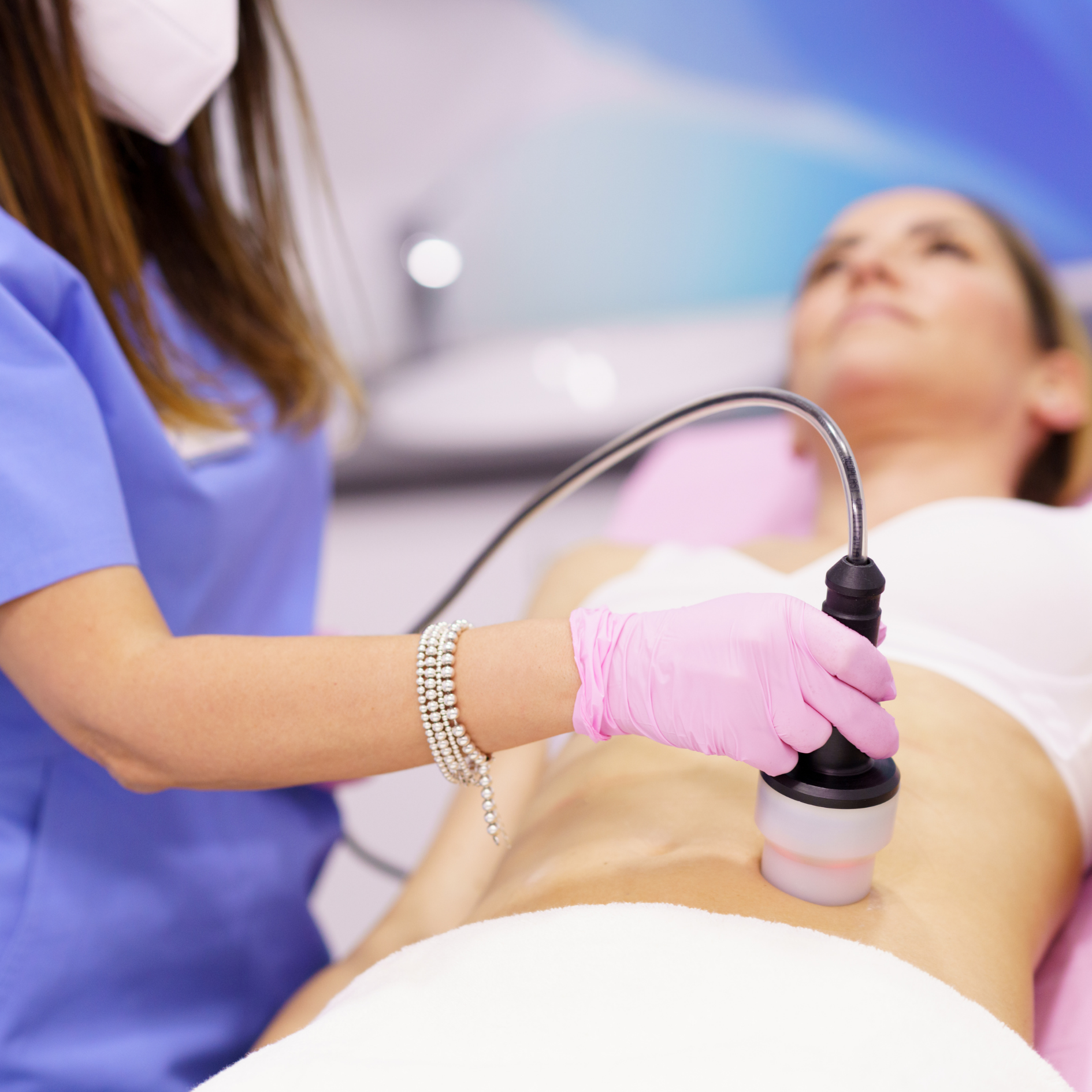
Radio-Frequency (RF) is a non-invasive or minimally invasive aesthetic and medical technology used for various treatments, including skin tightening, body contouring, and pain management. It involves the use of radio waves to heat and stimulate tissues beneath the skin's surface, leading to collagen production, tissue tightening, and therapeutic effects.
Recommended For
RF treatments are recommended for individuals seeking non-surgical solutions to address cosmetic concerns or specific health conditions. These treatments may be suitable for clients looking to:
• Reduce wrinkles and fine lines.
• Improve skin laxity and firmness.
• Enhance body contouring and cellulite reduction.
• Alleviate pain associated with certain musculoskeletal conditions.
• Promote wound healing.
Benefits
The benefits of RF treatments can include:
• Improved skin texture and tone.
• Reduction in the appearance of wrinkles and sagging skin.
• Body contouring and cellulite reduction.
• Enhanced collagen production.
• Pain relief and improved circulation (in therapeutic applications).
Contraindications
Contraindications for RF treatments may include:
• Pregnancy.
• Active skin infections or open wounds in the treatment area.
• Metal implants or devices in the treatment area.
• Severe medical conditions or chronic diseases (consultation with a healthcare provider is advisable).
How it works
RF treatments work by delivering controlled radio-frequency energy into the targeted tissues. This energy heats the tissues, causing collagen fibres to contract and stimulate collagen production. The thermal effects result in skin tightening, improved texture, and other desired outcomes. In therapeutic applications, RF can help with pain relief and tissue healing.
Supporting Evidence
RF treatments have been widely used in the field of aesthetics and medicine, and there is substantial clinical evidence supporting their effectiveness for various applications. The specific evidence may vary depending on the treatment and condition being addressed.
Origin & History
RF technology has evolved over the years and has its origins in radiofrequency engineering. It was later adapted for medical and aesthetic applications. The history of RF in aesthetics dates back several decades, with ongoing advancements in technology and treatment techniques.
Proprietary or generic?
RF technology itself is not proprietary, as it is based on established principles of radiofrequency engineering. However, individual RF devices, treatment protocols, and brand names associated with RF machines may be proprietary to specific manufacturers or providers.
For Wellness Business
Staffing
Qualified practitioners for RF treatments may include dermatologists, plastic surgeons, medical aestheticians, and licensed healthcare providers. The qualifications required depend on the specific application and regulations in the practitioner's region.
Training
Training for RF treatments is typically provided by manufacturers of RF devices, aesthetic schools, and medical training institutions. Practitioners may need to undergo specialised training and certification for safe and effective use of RF technology.
Products & Equipment
RF treatments require specialised devices and equipment, including RF machines and applicators designed for specific treatments. These devices should be sourced from reputable manufacturers and used according to safety guidelines.
Facilities
Facility requirements for RF treatments depend on the specific application and treatment setting. Aesthetic clinics, medical spas, and healthcare facilities may offer RF treatments, and the facilities should meet safety and hygiene standards.